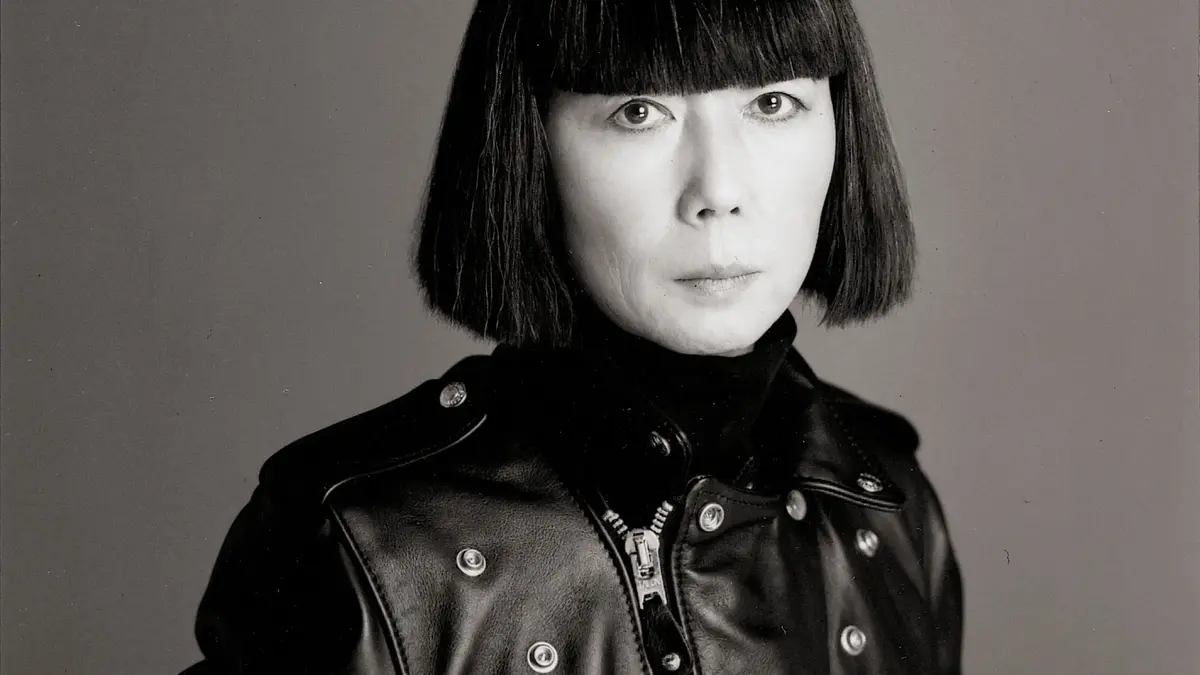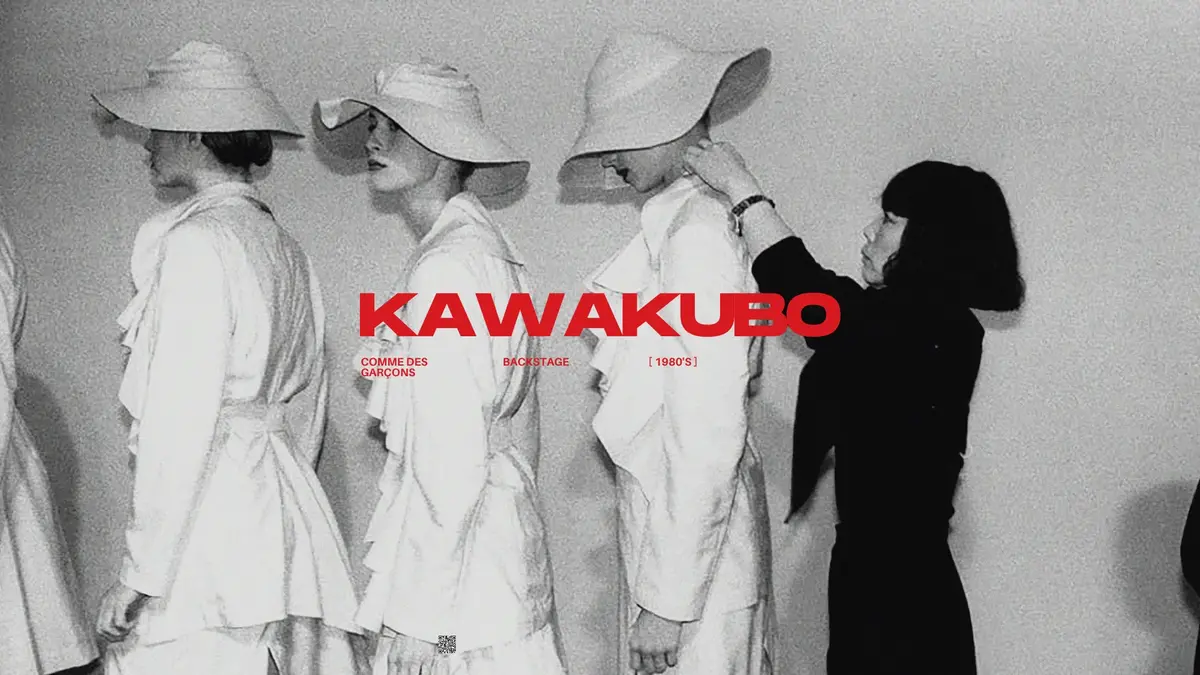
Rei Kawakubo is one of the most original and influential designers in the history of fashion. She's often called avant-garde, but even that feels too narrow. Her work doesn't just challenge trends it challenges the very definition of fashion.
Minimal, oversized, asymmetrical, unfinished: Kawakubo's creations have always resisted what fashion is supposed to be.
She once said her goal was "to design clothes that have never existed." And for over five decades, she has done exactly that.
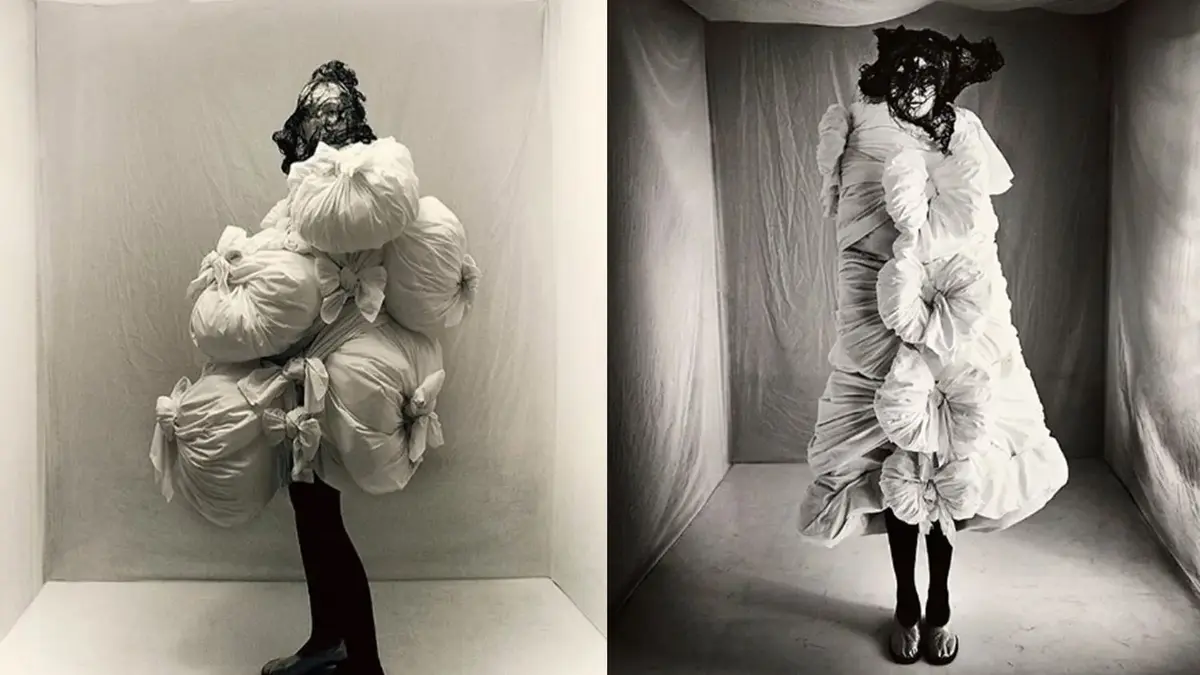
Born in Tokyo in 1942, Kawakubo studied fine arts and literature. She worked in advertising before launching her own label in 1969 - Comme des Garçons -French for "like boys - a name that hinted at androgyny, independence, and a rejection of conventional femininity. Her designs often appeared incomplete stitched strangely, padded in odd places, or layered until the body underneath disappeared entirely.
In 1981, Kawakubo presented her first collection in Paris. It was almost entirely black. Torn edges, oversized volumes, slashed knits, dropped shoulders. To a fashion world obsessed with glamour, color, and hourglass silhouettes, it looked post-apocalyptic.
Critics called it "Hiroshima chic".Critics called it "Hiroshima chic".
Her impact was immediate. The collection marked the beginning of a new movement: Japanese designers entering the Western fashion world not to adapt-but to transform it. Alongside Yohji Yamamoto and Issey Miyake, Kawakubo brought an entirely new perspective. A quiet one. A disruptive one.
At the core of her thinking are Japanese design values: wabi-sabi the acceptance of imperfection, ma the importance of space and absence; and a deep belief that beauty does not require polish.
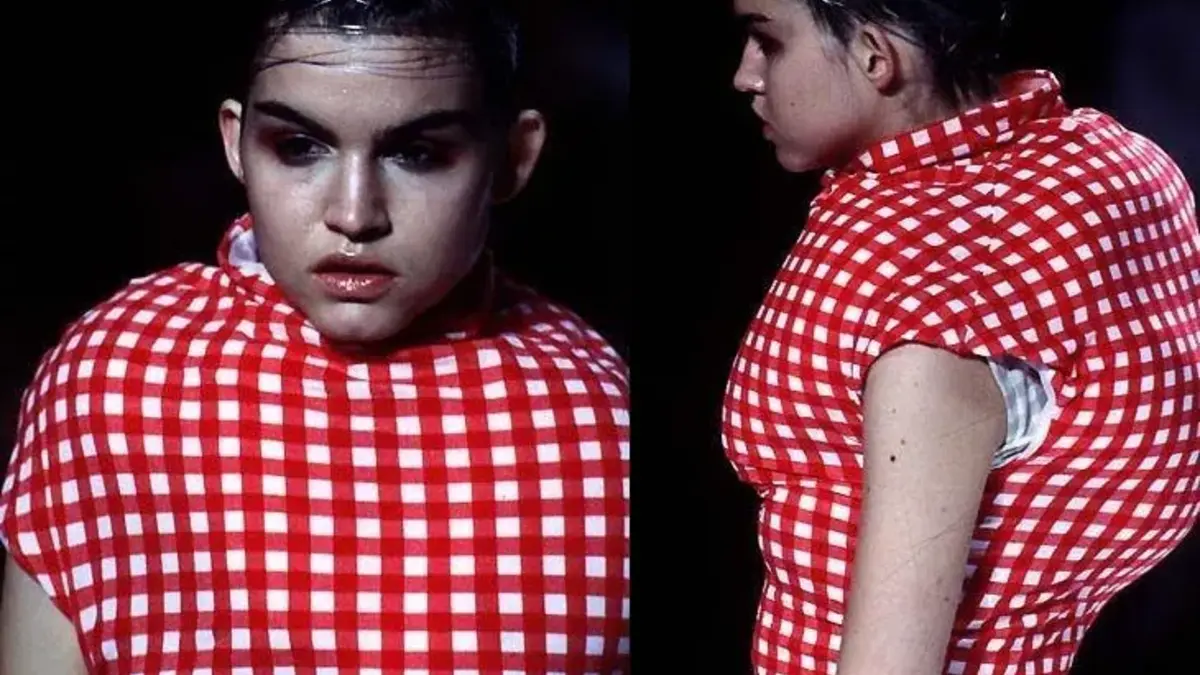
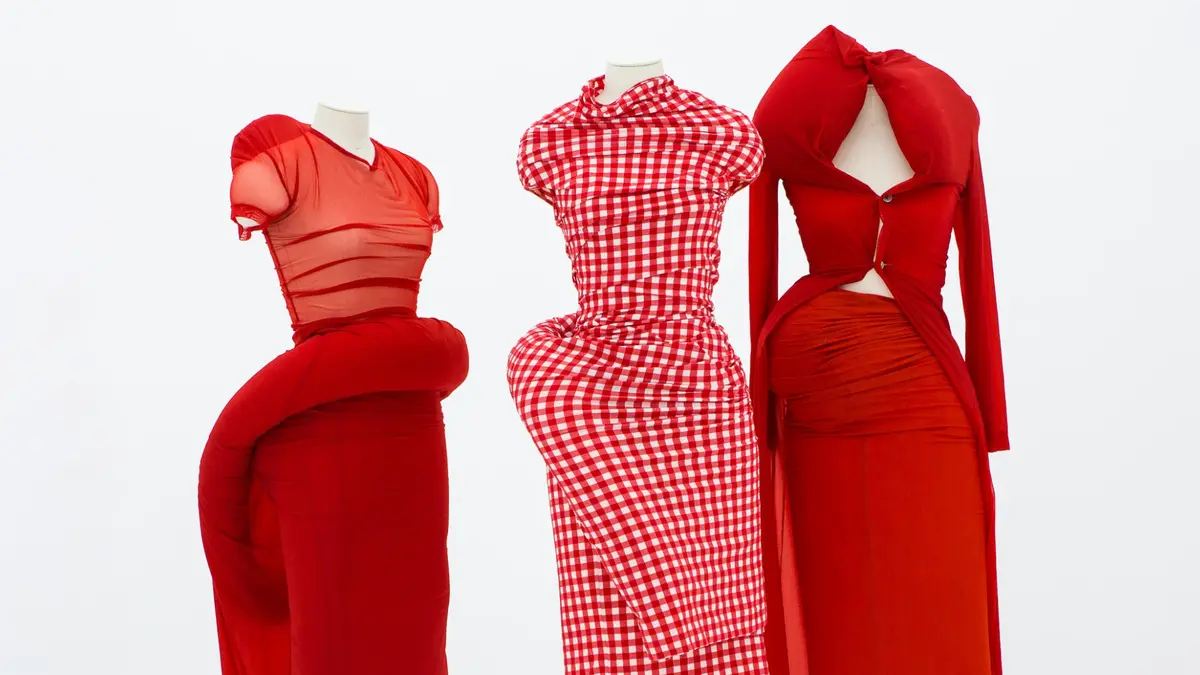
In 1997, she shocked the fashion world again with her "Body Meets Dress, Dress Meets Body" collection. It featured bulbous padding at the hips, back, and stomach - challenging not only silhouette but the idea of physical beauty itself. The industry called it "lumps and bumps". She called it another experiment in form. Kawakubo's refusal to explain her work has made her one of the most mysterious figures in fashion, but also one of the most respected. In 2017, the Metropolitan Museum of Art honored her with a full retrospective - Art of the In Between - the first exhibition in decades dedicated to a living designer. Her influence is still everywhere: in the rise of genderless clothing, in the popularity of deconstruction, in the freedom to make something strange, wrong, or broken -and still call it fashion.